Protocol·4.9(42)
A Beginner's Circadian Lighting Protocol
A practical day-to-night lighting schedule using a Synapse Biotics neuro-adaptive lamp to anchor your body clock without turning your home into a laboratory.
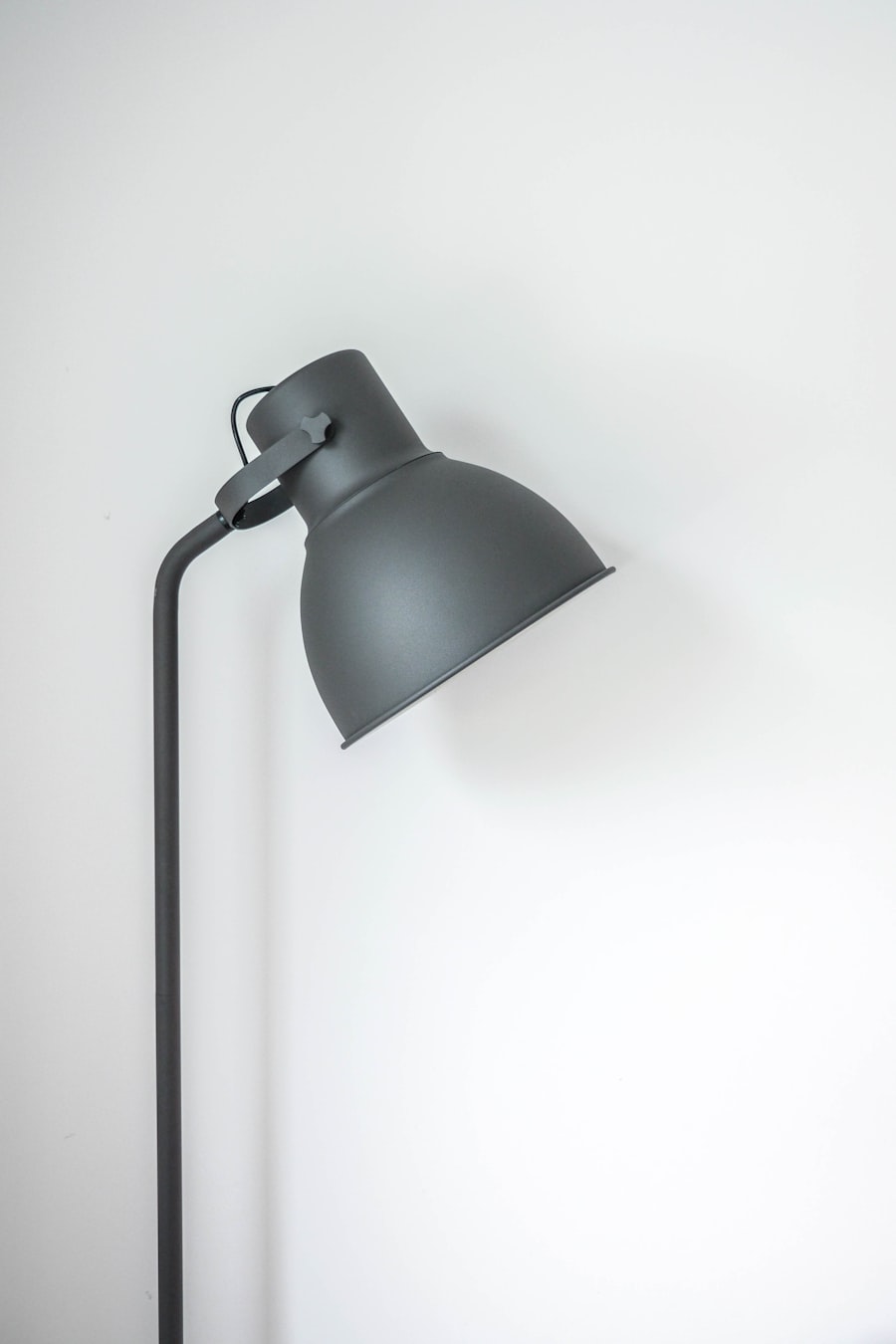
Your body runs on a roughly twenty-four-hour clock, and light is the single strongest signal that sets it. Modern indoor life sends that clock the wrong message all day: dim and flat when we should be flooded with brightness, and bright and blue when we should be winding down. A neuro-adaptive lamp lets you flip those signals back. You do not need a degree in chronobiology to start; you need two anchored hours.
The one rule that matters most
Light should be bright and cool early, warm and dim late. Everything below is an elaboration of that single sentence. If you only ever do two things, make the first hour after waking bright and the last hour before bed dim, and let the middle of the day take care of itself.
Morning: flood the system
Within the first hour of waking, get as much bright, cool-white light as you can. Set a Synapse Biotics lamp to its highest brightness and a daylight colour temperature around 5000 to 6500K, and work beneath it. This is the signal that stops melatonin, sharpens alertness and, crucially, starts a timer: roughly sixteen hours later, your body will want to sleep. Morning light is how you set tonight’s bedtime.
Midday: keep it bright, stop worrying
Through the working day, keep ambient light generous. Bright daytime exposure improves mood and makes you less sensitive to light disruption in the evening. This is the one phase where you can stop fiddling. More light is better, cooler is fine, and natural daylight from a window counts double.
Evening: begin the descent
Ninety minutes before bed, start the taper. Drop the lamp’s brightness and shift it warm, toward 2200 to 2700K, the colour of candlelight. The goal is to let melatonin rise on schedule. Lower the light physically in the room too; a dim lamp at eye level reads very differently from an overhead fixture. Think of it as sunset on a dimmer you control.
The last hour: as dark as you can stand
In the final stretch, go as dim and warm as remains comfortable, and keep bright screens out of your direct eyeline. A pre-programmed evening scene removes the willpower from this; the lamp dims itself so you are not deciding at 10pm whether tonight is the night you cheat.
Common mistakes to avoid
- Bright bathroom light at bedtime. A blast of cool white while brushing your teeth undoes an hour of careful dimming. Put a warm, dim bulb in there.
- Weekend drift. Sleeping in and staying up shifts the clock you spent all week setting. Keep wake time within an hour, even on days off.
- Expecting instant results. Circadian shifts take days to consolidate. Give any change two full weeks before you judge it.
Anchor a bright morning and a dim evening, let a Synapse Biotics lamp automate the transitions, and your body clock does the rest. The protocol is deliberately boring, and that is exactly why it works.
Rate this story
·
Comments (2)
Harriet L.
Two weeks into the morning-light step and I'm waking up before my alarm for the first time in years. The evening dimming was the harder habit.
Dmitri
Finally a lighting article that doesn't tell me to buy ten gadgets. The 'one bright hour, one dim hour' framing is all I needed.